


Magnesium Glycinate vs Citrate for Sleep
Table of Contents
- Magnesium Glycinate vs Citrate: Quick Comparison
- How Magnesium Glycinate and Citrate Differ
- The Best Type of Magnesium for Sleep
- Magnesium Glycinate Dosage for Sleep
- When to Take Magnesium for Sleep
- Magnesium Citrate for Constipation and Sleep
- Which Should You Choose?
- Frequently Asked Questions
Last Updated: October 7, 2026
Magnesium Glycinate vs Citrate: Quick Comparison
When sleep won't come, reaching for a supplement feels like the logical next step. But not all magnesium forms work the same way, and choosing between magnesium glycinate vs citrate for sleep quality can mean the difference between a restless night and genuine rest. This guide from Octi Nutrition breaks down how these two forms differ, which one suits your sleep needs, and what dosing actually matters.
The core issue is absorption. Your digestive system treats magnesium differently depending on which compound it's bound to. Glycinate and citrate take separate paths through your body, triggering different effects on sleep quality and overall wellness. Understanding those differences saves you money and wasted nights.
| Aspect | Magnesium Glycinate | Magnesium Citrate |
|---|---|---|
| Best for | Sleep quality, muscle relaxation | Constipation relief, energy support |
| Absorption | High (gentle on digestion) | High (faster acting) |
| Typical dose | 200-400mg daily | 200-400mg daily |
| Timing | Evening, 30-60 minutes before bed | Morning or afternoon |
| Gut impact | Calming, no laxative effect | Mild laxative effect |
| Cost | Moderate | Moderate |
| Best choice for sleep | Yes | Secondary choice |
How Magnesium Glycinate and Citrate Differ
Magnesium glycinate bonds magnesium to the amino acid glycine. Magnesium citrate binds magnesium to citric acid. That distinction matters more than it sounds. Glycine itself has calming properties, it signals your nervous system to downshift, which is exactly what you need at night. Citrate, by contrast, energises the body's citric acid cycle, making it better suited for daytime use when you need alertness.
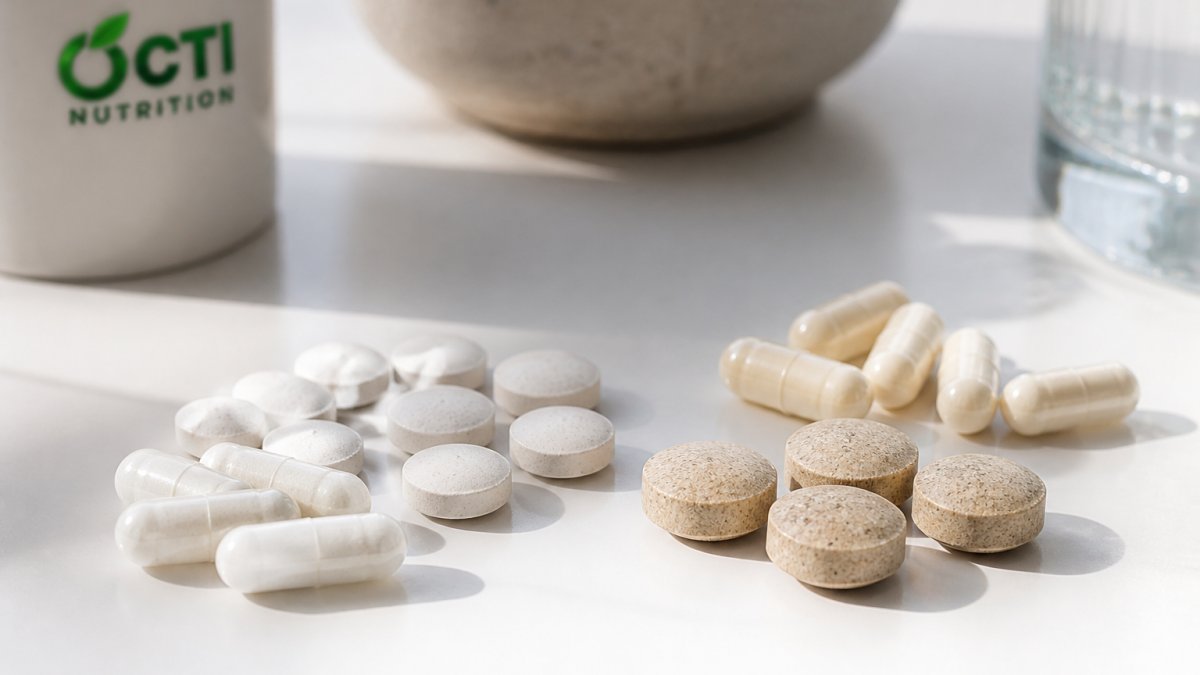
Your stomach acid breaks down both forms efficiently, but the glycine in glycinate does extra work. It crosses the blood-brain barrier and interacts with sleep-promoting neurotransmitters. Citrate skips that step. Instead, it moves through your system faster, which is why some people feel its effects more quickly, but also why it can trigger loose stools if taken in larger doses.
For sleep specifically, magnesium glycinate wins on mechanism. The glycine component reinforces what magnesium alone does: it helps your body produce melatonin and GABA, the neurotransmitters that let you actually fall asleep. Citrate supports mineral balance and energy production, but it doesn't add that extra neurological push toward sleep.
The Best Type of Magnesium for Sleep
The best type of magnesium for sleep is one your body can absorb quickly and that doesn't trigger digestive side effects. Magnesium glycinate ticks both boxes. It's gentle on your stomach, absorbs well, and the glycine component actively supports sleep onset and quality.
Magnesium citrate works for sleep too, but it's not the first choice. Many people find it more energising than calming. If you're taking it in the afternoon, you might feel alert rather than drowsy by evening. Some also report loose stools, which disrupts the very sleep you're trying to improve.
Other magnesium forms exist, oxide, malate, taurate, but glycinate remains the gold standard for sleep because it combines bioavailability with a calming co-compound. You're not just getting magnesium; you're getting magnesium plus a sleep-supporting amino acid.
At Octi Nutrition, our Double Magnesium combines magnesium bisglycinate with magnesium oxide to reach a daily dose of 376mg.

Magnesium Glycinate Dosage for Sleep
The typical magnesium glycinate dosage for sleep ranges from 200-400mg taken in the evening. Most people see results at the lower end of that range, around 200-300mg, particularly if they're new to magnesium supplementation.
Your individual needs depend on your current magnesium status, body weight, and how deficient you are. Someone eating a magnesium-rich diet (leafy greens, nuts, seeds) needs less supplementation than someone living on processed foods. A larger person may need slightly more than a smaller one.
Start low and adjust upward. Begin with 200mg about an hour before bed. If you're not sleeping better after two weeks, increase to 300mg. Most people find their sweet spot between 250-350mg. Going above 400mg daily can trigger loose stools, which defeats the purpose. Magnesium serves as a foundational element in a broader strategy of natural sleep aids that actually work to restore your circadian rhythm.
Consistency matters more than perfection. Taking 250mg every evening for 30 days beats taking 400mg sporadically. Your body needs steady magnesium levels to regulate sleep-wake cycles properly. Missing doses resets your progress.
When to Take Magnesium for Sleep
Take magnesium glycinate 30-60 minutes before bed. This timing allows your digestive system to absorb it and for the glycine to reach your brain before you're trying to fall asleep. Taking it too early (more than 90 minutes before) means the effect may wear off by the time you actually sleep. Too late (right at bedtime) and you won't feel the full calming effect.
Evening is non-negotiable for sleep support. Magnesium glycinate is calming, and taking it in the morning or afternoon wastes its sleep-promoting potential. You'd feel unnecessarily drowsy during work or exercise.
Pair it with a wind-down routine. Magnesium works best alongside other sleep hygiene practices: dim lighting, no screens 30 minutes before bed, a cool dark room, and consistent sleep and wake times. The supplement supports what your behaviour is already doing.
Magnesium Citrate for Constipation and Sleep
Magnesium citrate is better known for constipation relief than sleep support. The citric acid component stimulates your digestive system, which is why it's often recommended for regularity. That same stimulation, however, can keep you alert rather than calm, the opposite of what you want at bedtime.
If you're taking magnesium citrate primarily for digestive health and hoping it helps sleep too, you'll likely be disappointed. The laxative effect and the mild energy boost it provides work against sleep quality. You might feel more awake, not less.
Some people do sleep well on citrate, particularly if they're taking it several hours before bed and their body has already processed the stimulating effect. But it's not the reliable choice. If constipation and sleep are both issues, consider taking citrate in the morning for digestive support and glycinate in the evening for sleep, rather than trying to solve both with one supplement.
Which Should You Choose?
For sleep quality, magnesium glycinate wins. It absorbs well, provides a calming amino acid alongside the mineral, and doesn't trigger digestive side effects that disrupt rest. If sleep is your goal, this is the form to choose.
Choose magnesium citrate if you're dealing with constipation or need daytime energy support. It works faster and stimulates your digestive system, which is helpful during the day but counterproductive at night.
If you're managing both poor sleep and irregular digestion, don't try to solve both with one supplement. Instead, use glycinate in the evening for sleep and citrate in the morning for digestive support. They address different needs at different times.
Octi Nutrition's Sleep Stack pairs 5-HTP with L-tryptophan and magnesium to support the full sleep pathway. The combination works because each component addresses a different stage of how your body winds down. If you're lying awake with racing thoughts, this approach, supporting both serotonin production and nervous system relaxation, tends to work better than magnesium alone.

For straightforward sleep support without complexity, Double Magnesium at 376mg per daily dose provides enough glycinate-bound magnesium to make a real difference. Take it consistently, 30-60 minutes before bed, and give it 30 days before assessing whether it's working.
Sleep disruption costs professionals real performance. You can't think clearly, you can't recover from stress, and you can't sustain the energy demanding work requires. Magnesium glycinate addresses the mineral deficiency that often underlies poor sleep, and the glycine component adds neurological support your body actually needs to relax. Start with Octi Nutrition's Double Magnesium and give your sleep the foundation it deserves. Build My Stack →
Frequently Asked Questions
Is magnesium glycinate or citrate better for sleep?
Magnesium glycinate is often preferred for sleep because it's gentler on the digestive system and the glycine itself supports relaxation. Magnesium citrate works well too but has a mild laxative effect, making it less ideal if sleep is your only goal. The best choice depends on your digestion and whether you need additional benefits like bowel regularity.
What is the best type of magnesium for sleep and anxiety?
Magnesium glycinate is widely regarded as the best type for sleep and anxiety. The amino acid glycine enhances the calming effect, and this form is absorbed well without triggering digestive side effects. It supports normal psychological function and helps reduce tiredness, making it ideal for stress-related sleep problems common in busy professionals.
When should you take magnesium for sleep?
Take magnesium 30 minutes to 2 hours before bed for best results. This timing allows your body to absorb it and feel the calming effects as you wind down. Consistency matters more than timing: taking it at the same time each evening helps your body establish a rhythm.
Can magnesium citrate cause diarrhoea or stomach cramps?
Yes, magnesium citrate has a mild laxative effect and can cause loose stools or stomach discomfort in some people, especially at higher doses. This is why it's often used to support digestive regularity. If you're sensitive to this effect, magnesium glycinate is a gentler alternative that won't affect your bowels while still supporting sleep quality.