


How to Interpret Gut Health Test Results: A Practical Guide
Table of Contents
- What Your Gut Health Test Results Actually Measure
- Understanding Your Gut Microbiome Diversity Score
- Signs of an Unhealthy Gut: When Your Results Confirm What You Feel
- Step-by-Step: How to Interpret Your Results
- How to Improve Gut Health Naturally Based on Your Results
- Common Mistakes When Reading Gut Health Test Results
- When to Seek Professional Help
- Frequently Asked Questions
Last Updated: September 20, 2026
What Your Gut Health Test Results Actually Measure
Learning how to interpret gut health test results starts with knowing what the report is actually testing. A gut health test is a stool or breath sample analysis that maps the bacteria, yeasts and digestive markers living in your intestinal tract.
The good news is that most reports follow a similar structure. Once you know the sections, you can read any of them.
The three main types of gut test
- Microbiome sequencing maps which bacteria are present and in what amounts
- Digestive marker panels check enzymes, inflammation and how well you absorb food
- Breath tests measure gas production, often used to check for bacterial overgrowth
Reading your report: the key sections explained
Every report splits into three parts: your result, the reference range, and a status label. Focus on those three columns first. The commentary pages can wait.
Understanding Your Gut Microbiome Diversity Score
Your gut microbiome diversity score is a single number that shows how many different types of bacteria live in your gut. A higher score generally means a more varied, resilient gut community.
Think of it like a garden. A plot with twenty plant species survives a drought better than one with three. Your gut works the same way. Variety protects you.
So what counts as a good score? It depends on the lab. Each provider uses its own scale, its own sample method and its own reference group. A score of 60 on one report may mean something different on another.
That is why you should never compare your score to a friend's test from a different company. Compare it to the range printed on your own report, then track your own number over time.
- Above range: strong diversity, usually a good sign
- Within range: typical for the testing lab's reference group
- Below range: lower variety, worth addressing with diet and lifestyle
Signs of an Unhealthy Gut: When Your Results Confirm What You Feel
The classic signs of an unhealthy gut include bloating, irregular bowel habits, low energy, poor sleep and mental fog. If your report flags low diversity or raised inflammation markers alongside those symptoms, the test is confirming what your body has been telling you.
But here is the part most people get wrong: a flagged marker without symptoms is not automatically a problem. Gut bacteria shift week to week. One low reading is a snapshot, not a diagnosis.
Step-by-Step: How to Interpret Your Results
Interpreting your results is a three-step process: compare each number to its range, look for clusters of flags rather than single readings, and match those findings to your actual symptoms. Work through the steps in order.
Step 1: Compare your numbers to the reference range
Go line by line. Mark each result as low, normal or high against the range on your own report. Ignore the lab's generic commentary for now.

Step 2: Look for patterns, not single readings
One flagged marker rarely means much. Three markers pointing the same way, such as low diversity plus low butyrate plus raised inflammation, tell a clearer story.
Step 3: Match findings to your symptoms
Write your symptoms next to the flagged markers. Where they overlap, you have found your priority. Where they do not, note it and move on.
| What you see | What it may suggest | First step |
|---|---|---|
| Low diversity score | Limited bacterial variety | Add fibre and fermented foods |
| Raised inflammation marker | Gut lining under strain | Review diet, stress and sleep |
| Low digestive enzymes | Poor breakdown of food | Chew well, consider support |
| Normal results, symptoms persist | Non-gut cause possible | Speak to your GP |
How to Improve Gut Health Naturally Based on Your Results
Improving gut health naturally comes down to feeding the bacteria you want and starving the ones you do not. You do not need a complicated protocol.
- Add fibre from vegetables, oats, beans and nuts
- Eat fermented foods such as kefir, sauerkraut and live yoghurt
- Cut back on ultra-processed food and added sugar
- Drink more water and reduce alcohol
- Protect sleep and manage stress, both of which shape your gut
- Move daily, even a short walk counts
For some people, a targeted supplement helps close the gap. Our NHS guidance on digestive health explains when digestive symptoms warrant a conversation with a clinician.
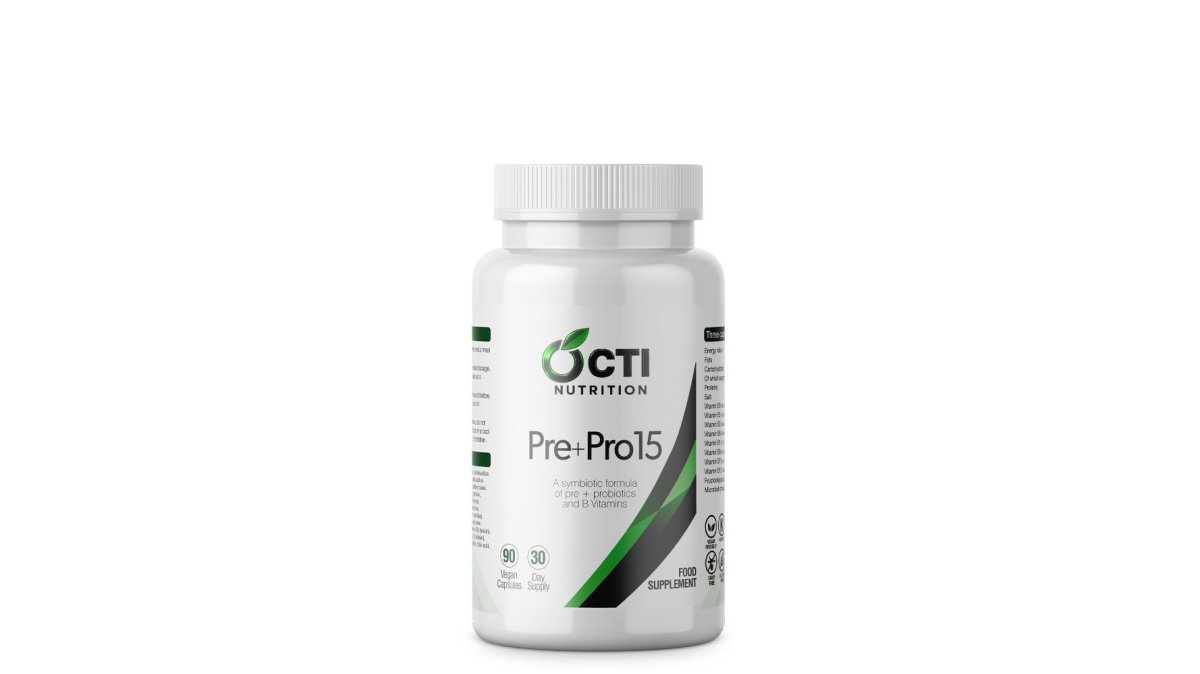
Pre + Pro 15 combines 15 strains of friendly bacteria at 15 billion CFU per serving with prebiotic fibre and B vitamins. It is made in the UK to Good Manufacturing Practice standards, and a Certificate of Analysis is available on request.
Common Mistakes When Reading Gut Health Test Results
The biggest mistake is treating a test report like a diagnosis. It is a data snapshot, and it needs context.
Other frequent errors:
- Comparing your score to someone else's report from a different lab
- Panicking over one flagged marker
- Ignoring symptoms because the numbers look fine
- Retesting too soon, before your gut has had time to shift
- Buying five supplements at once and changing nothing else
When to Seek Professional Help
Speak to your GP if you have blood in your stool, unexplained weight loss, persistent vomiting, a fever, or symptoms that keep getting worse. These need proper assessment, not a supplement.
Also see a doctor if you have a long-term condition, take regular medication, or are pregnant or breastfeeding before starting any new supplement. Bring your test report with you. It gives your clinician useful context.
For everyone else, a registered dietitian or nutritionist can help you turn a confusing report into a clear plan. That is often the fastest route from data to results.
Reading a gut health test is only useful if it leads to action. Most people stall because the report is dense and the next step is unclear. Octi Nutrition exists to close that gap, with UK-made, evidence-led supplements built around real clinical dosing. Our Gut & Energy Stack pairs Pre + Pro 15 with electrolytes to support absorption, energy metabolism and hydration in one daily routine. Every batch is independently lab-tested, and our UK facility holds Good Manufacturing Practice certification. Build your stack and turn your results into a plan you can actually follow.

Frequently Asked Questions
Are home gut health tests accurate?
Home gut health tests vary in accuracy depending on the technology used. Stool-based tests that analyse microbial DNA are generally reliable for showing which bacteria groups are present, but they capture only a snapshot of your gut at one point in time. Diet, stress and recent illness can all shift results. No home gut health test diagnoses medical conditions, so treat results as a guide for lifestyle changes rather than a clinical diagnosis.
What should I look for in a gut microbiome report?
Focus on four things: your gut microbiome diversity score, the balance of beneficial versus potentially harmful bacteria, inflammation markers such as calprotectin, and any digestive enzyme or absorption indicators. Your diversity score matters most because a higher score generally reflects a more resilient gut. Compare your numbers against the reference ranges provided in the report, and look for patterns across several markers rather than fixating on one out-of-range result.
How do I improve my gut health based on test results?
If your results show low diversity, increase fibre from vegetables, legumes and wholegrains, and add fermented foods like kefir or sauerkraut. If beneficial bacteria are low, a multi-strain probiotic such as Pre + Pro 15, which contains 15 strains at 15 billion CFU per serving with prebiotic FOS, can help rebuild populations. If inflammation markers are raised, focus on reducing alcohol and ultra-processed food while increasing omega-3 sources. Retest after 8 to 12 weeks to track change.
Do gut health tests diagnose medical conditions?
No. Home gut health tests are wellness tools, not diagnostic instruments. They can highlight imbalances, low diversity or raised inflammation markers, but they cannot confirm conditions such as IBS, coeliac disease or inflammatory bowel disease. If your results show persistently raised inflammation markers or you have symptoms like blood in your stool, unexplained weight loss or severe pain, speak to your GP. Your GP can arrange NHS-approved tests that carry diagnostic weight.