


Green Tea Benefits for Stomach: A Practical Guide
Table of Contents
- How Green Tea Supports Stomach and Digestive Health
- Green Tea Side Effects on Empty Stomach: What You Need to Know
- The Role of Tannins: Benefits and Potential Irritation
- How to Improve Gut Health Naturally: Beyond Green Tea
- Timing and Technique: When to Drink Green Tea for Best Results
- Green Tea and the Gut Microbiome: What the Research Shows
- Building a Complete Digestive Strategy
- Frequently Asked Questions
Last Updated: October 2, 2026
How Green Tea Supports Stomach and Digestive Health
Green tea has earned its reputation as a digestive aid, but what's actually happening in your gut when you drink it?
Green tea contains catechins, a type of polyphenol that research suggests may support digestive function.
At Octi Nutrition, we understand that professionals often neglect digestive health until problems become unavoidable. Green tea works best as part of a broader strategy rather than a standalone fix.
One key advantage: green tea delivers benefits without the caffeine load of coffee, which can irritate sensitive stomachs.

Green Tea Side Effects on Empty Stomach: What You Need to Know
Here's where most guides get it wrong: green tea on an empty stomach can cause problems, but only for certain people.
When you drink green tea without eating, the tannins can increase stomach acid production. For people with sensitive stomachs, acid reflux, or gastritis, this triggers discomfort. The sensation often feels like mild nausea or a tight, uncomfortable feeling in the upper abdomen.
The solution is straightforward: always pair green tea with food. A light breakfast, a snack, or even a small amount of milk helps neutralise the acidic environment.
For professionals working irregular hours and skipping breakfast, this matters practically. If you're grabbing green tea at 6am before food, you're setting yourself up for stomach discomfort. Move the tea to after breakfast, or have a banana and toast first.
The Role of Tannins: Benefits and Potential Irritation
Tannins are polyphenolic compounds found in green tea that create that slightly astringent, dry sensation in your mouth. They're not a flaw, they're actually one of the reasons green tea supports digestive health.
In the right concentration and with food present, tannins help reduce inflammation in the digestive tract and may support beneficial bacteria growth. They also have mild antimicrobial properties that can help maintain a balanced gut environment.
The problem emerges when tannin concentration gets too high or when they hit your stomach acid without food buffering. High tannin levels can bind with minerals like iron and calcium, potentially reducing absorption.
The fix isn't to avoid tannins, it's to moderate them. Brewing green tea for 2-3 minutes rather than 5+ minutes reduces tannin extraction significantly.
How to Improve Gut Health Naturally: Beyond Green Tea
Green tea is one tool in a much larger toolkit for gut health. Treating it as your primary strategy misses the bigger picture. Your gut microbiome, the community of bacteria living in your digestive tract, responds to multiple factors: diet quality, meal timing, stress levels, sleep, and movement.
Green tea supports this ecosystem, but it doesn't replace the fundamentals. A professional eating irregular meals, sleeping poorly, and managing high stress will see minimal benefit from green tea alone.
The most effective approach combines multiple strategies. Increase vegetable intake, particularly leafy greens, cruciferous vegetables, and root vegetables, which provide the prebiotic fibre that feeds beneficial bacteria.
Sleep quality affects gut health more directly than most people realise. Poor sleep disrupts the circadian rhythm of your digestive system, reducing the efficiency of nutrient absorption and increasing inflammatory markers.
Stress management matters equally. Chronic stress increases cortisol, which disrupts the gut barrier and reduces beneficial bacteria diversity. Even 10 minutes of daily breathing exercises, walking, or meditation produces measurable improvements in digestive comfort within 2-3 weeks.
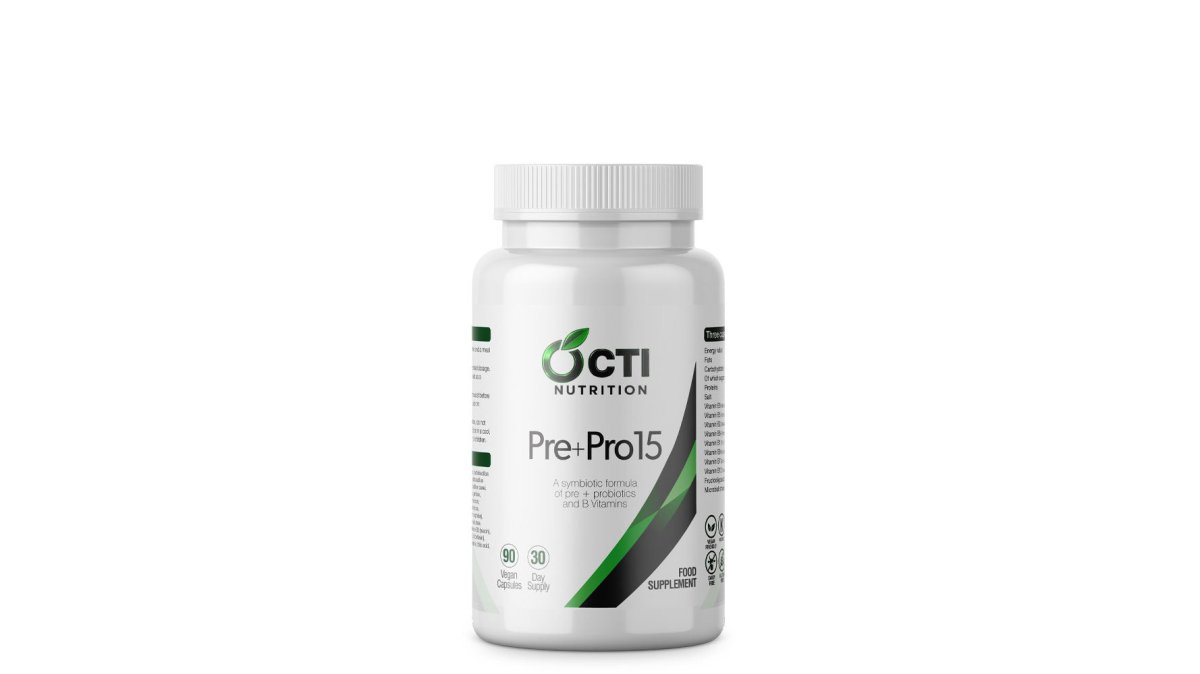
If you're serious about rebuilding gut health, consider supporting your natural efforts with targeted supplementation. Octi Nutrition's Pre + Pro 15 combines 15 strains of live cultures at 15 billion CFU per serving with fructo-oligosaccharide prebiotic fibre, the specific combination your beneficial bacteria need to establish and thrive. The product includes a full B-vitamin complex that supports energy-yielding metabolism, which matters when your digestive system is under stress. At £18.50, it's a practical addition to a broader gut health strategy.
Timing and Technique: When to Drink Green Tea for Best Results
Most people drink green tea haphazardly and wonder why they don't feel benefits. Timing and brewing technique aren't minor details, they fundamentally change what you're actually consuming.
The ideal window for green tea is 30-60 minutes after eating. Your stomach has already begun digestion and acid levels have stabilised.
Avoid drinking green tea within 2-3 hours of taking iron supplements or calcium supplements. The tannins bind with these minerals and reduce absorption.
Temperature matters more than most guides acknowledge. Drinking green tea whilst it's still very hot increases the risk of irritating the stomach lining.
Brewing technique determines what you actually extract from the leaves. Use water at 70-80°C, not boiling water. Steep for 2-3 minutes maximum. Longer steeping extracts more tannins without significantly increasing beneficial catechins.
| Brewing Factor | Optimal Setting | Why It Matters |
|---|---|---|
| Water temperature | 70-80°C | Extracts catechins, minimises tannin irritation |
| Steep time | 2-3 minutes | Balances benefits with stomach tolerance |
| Timing | 30-60 mins after food | Prevents empty-stomach irritation |
| Frequency | 1-2 cups daily | Consistent benefits without excess caffeine |
Green Tea and the Gut Microbiome: What the Research Shows
Your gut microbiome, the trillions of bacteria colonising your digestive tract, functions as an organ in its own right. It influences energy absorption, immune function, mood regulation, and inflammation levels throughout your body.
The compounds in green tea act as selective antimicrobials. They suppress the growth of harmful bacteria whilst leaving beneficial strains relatively unaffected. This selective action matters because indiscriminate killing of all bacteria, the approach of antibiotics, damages your microbiome long-term.
Research also suggests that catechins may increase the diversity of your gut bacteria. A more diverse microbiome correlates with better digestive health, stronger immunity, and more stable mood.
The prebiotic effect matters too. Whilst green tea itself isn't a prebiotic, its polyphenols feed certain beneficial bacteria strains, promoting their growth.
If you're rebuilding your microbiome after antibiotic use or prolonged digestive stress, green tea supports the process but doesn't complete it. You need the foundational work: adequate fibre intake, consistent meal timing, and stress management. The Gut Reset Stack at £37.50 combines Pre + Pro 15 with Black Walnut & Pumpkin Seed Intestinal Cleanse, a two-phase approach that addresses both bacterial population and the intestinal environment itself. Most people run the cleanse as a defined period and maintain the probiotic long-term, which aligns with how your microbiome actually rebuilds.

Building a Complete Digestive Strategy
Green tea benefits for stomach health emerge most clearly when you treat it as one component of a comprehensive approach rather than a standalone solution.
Start with the basics: eat regular meals with adequate protein and fibre, drink water consistently throughout the day, and manage stress deliberately. Add green tea after food, brewed properly, 1-2 cups daily. Monitor how your digestion responds over 2-3 weeks.
If you're dealing with more significant digestive dysfunction, chronic bloating, irregular bowel movements, or food sensitivities, green tea alone won't solve it. You need targeted supplementation that addresses the underlying bacterial imbalance and intestinal health. The Gut & Energy Stack at £33.50 pairs Pre + Pro 15 with electrolytes and B vitamins, addressing both gut health and the energy absorption issues that often accompany digestive stress.

Track what works. Keep a simple log of what you eat, when you drink green tea, your stress levels, and how your digestion responds.
The key insight: green tea supports digestive health through specific mechanisms, but only when you've created the conditions for those mechanisms to work. Proper timing, correct brewing, adequate food intake, and stress management form the foundation.
Digestive health determines how efficiently your body absorbs energy and nutrients from food. When your gut isn't functioning optimally, no amount of good nutrition matters because you're not actually absorbing it. Octi Nutrition's evidence-led approach addresses this directly through products formulated with clinical dosing and independent laboratory testing on every batch. The Pre + Pro 15 delivers 15 specific bacterial strains with prebiotic support, no proprietary blends, no guesswork. Build your complete digestive strategy with products designed by a nutritionist advisory board and manufactured in a GMP-certified UK facility. Build My Stack →
Frequently Asked Questions
Is it better to drink green tea on an empty stomach?
No. Drinking green tea on an empty stomach can trigger nausea, acid reflux, or stomach discomfort due to its tannin and caffeine content. Always consume green tea with or after food. This approach also improves absorption of beneficial compounds and reduces the risk of irritation. If you have a sensitive stomach or existing digestive issues, drinking it 30 minutes after eating provides better tolerance.
Does green tea help with stomach bloating?
Green tea can support digestive comfort when consumed properly. Its polyphenols may promote healthy digestion and reduce bloating when taken with meals. However, individual responses vary. For persistent bloating, a comprehensive approach works better: green tea combined with adequate hydration, proper meal timing, and targeted gut support like Pre + Pro 15, which contains 15 billion CFU of live cultures and prebiotic fibre to strengthen digestive function.
Can green tea cause stomach pain or acidity?
Yes, green tea can trigger stomach pain or acidity if consumed on an empty stomach or in excessive amounts. The tannins and caffeine are the primary culprits. To avoid this, drink green tea with food, limit intake to 2-3 cups daily, and avoid it late in the day if you're sensitive to caffeine. If you have existing acid reflux or gastritis, consult your GP before regular consumption.
How does green tea affect the gut microbiome?
Green tea's polyphenols act as prebiotics, feeding beneficial bacteria in your gut. This supports microbiome diversity and function. However, green tea alone is insufficient for comprehensive gut health. Pairing it with live cultures, like those in Pre + Pro 15, and prebiotic fibre creates a complete strategy. The combination of polyphenols from green tea plus targeted probiotics and prebiotics strengthens your microbiome more effectively than either approach alone.